
Fire escape maintenance here falls under New York’s Multiple Residence Law and the Property Maintenance Code of New York State, §304.9, enforced locally, city by city, through each municipality’s own building department and fire marshal.
The building owner is responsible for keeping the fire escape in good repair and rust-free through periodic weather-coating. That’s the standard your local code officer is checking for. We’re not attorneys and we won’t tell you how your municipality will rule on a specific case, but we build every job around that state standard, because that’s what gets a building through inspection.
Already have a correction order with a deadline?
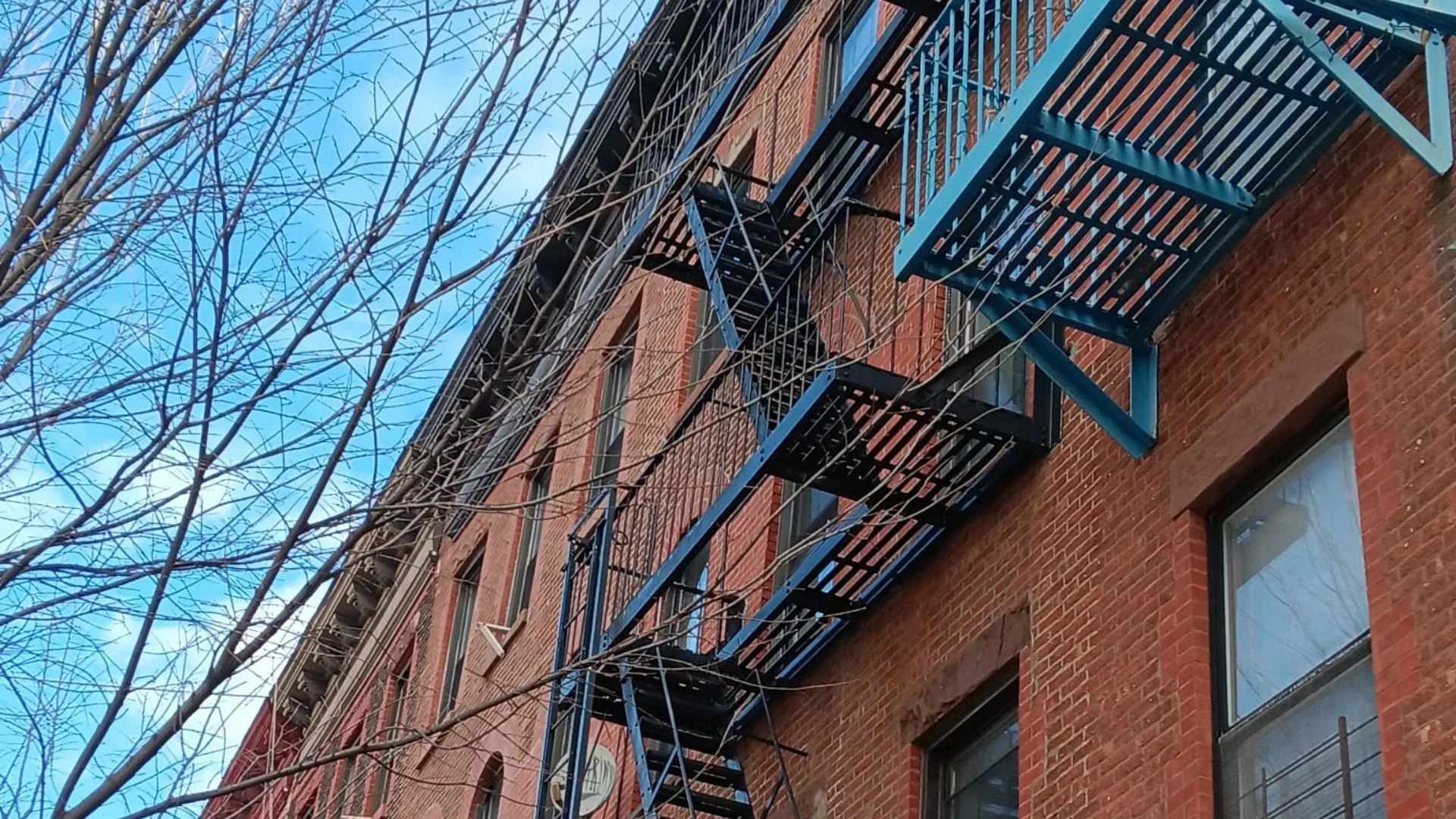
Every Westchester fire escape needs some combination of four things: a coating system, structural work, or a compliance check.
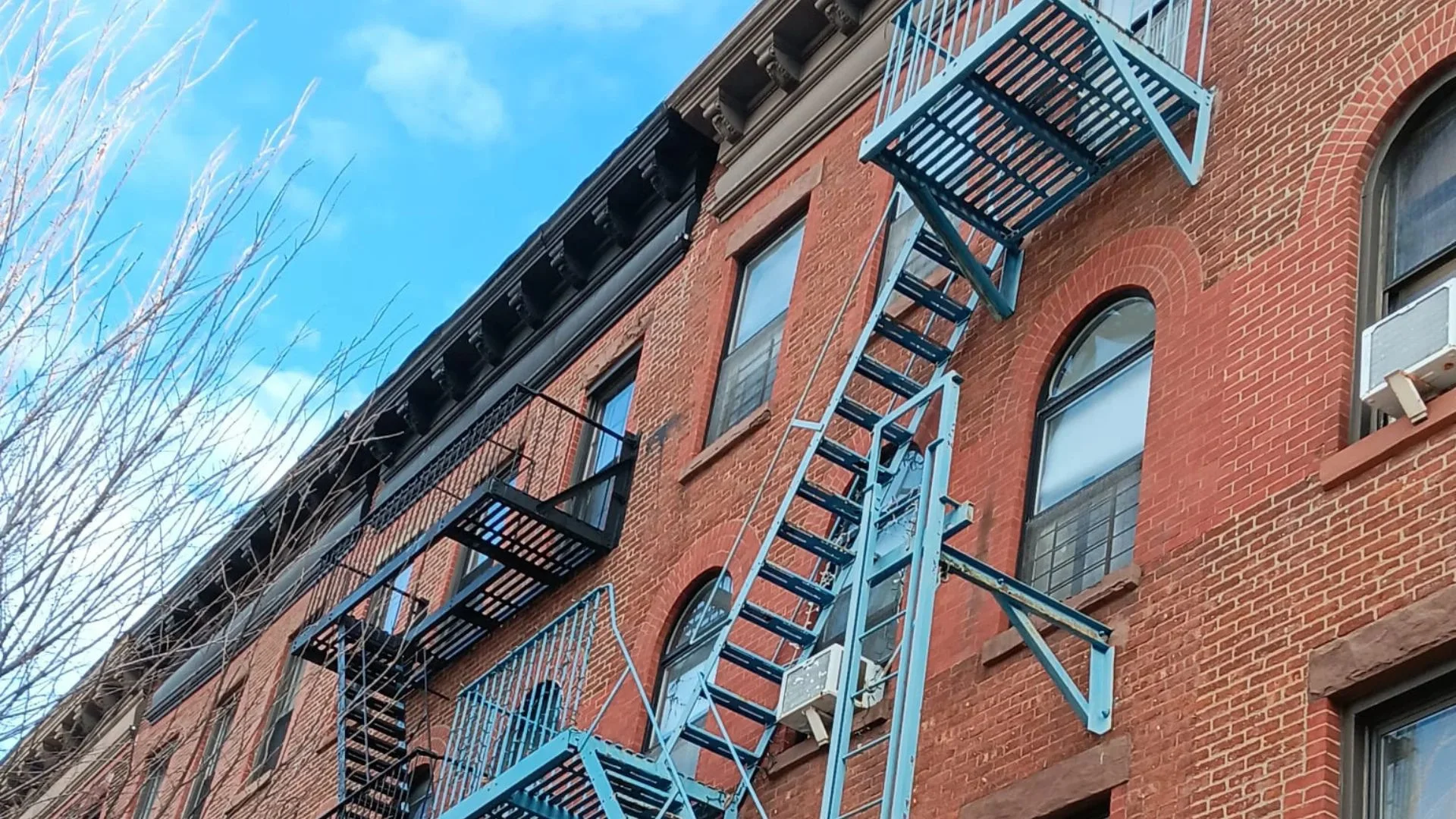
We strip failing paint down to bare metal, apply a rust inhibitive primer, then finish with two topcoats of alkyd or urethane enamel. Our co-op fire escape painting process is built around board approval and tenant notice. Our waterfront fire escape painting uses a coating system built for salt air, since buildings near the Hudson River or Long Island Sound lose paint faster than anywhere else in the county.
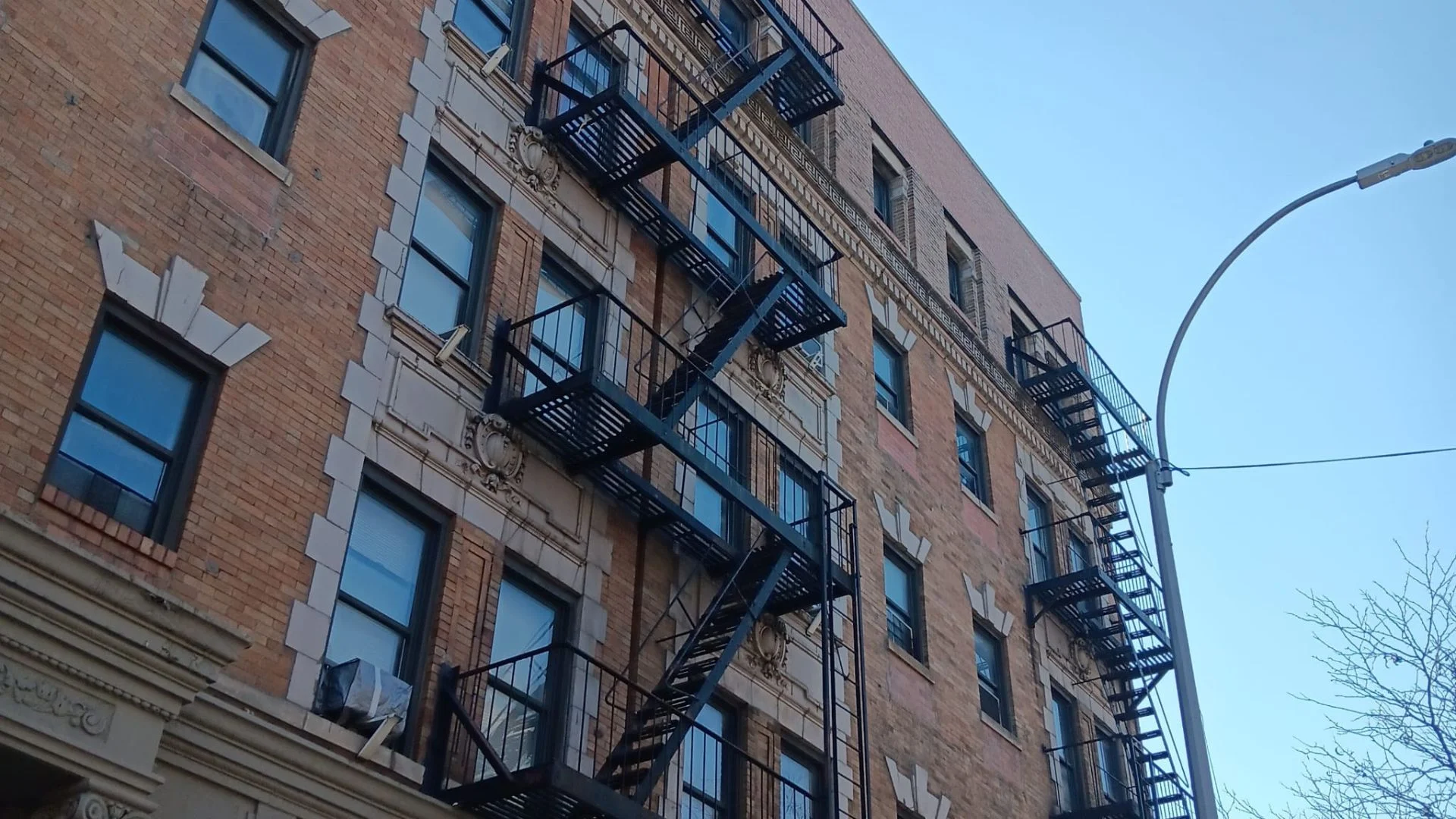
Surface rust doesn't stay surface rust for long. We remove it by hand on original wrought iron and by grinder on steel, since the two metals respond differently under pressure. Our fire escape restoration service brings a neglected structure back to code, from bare metal prep through final topcoat.
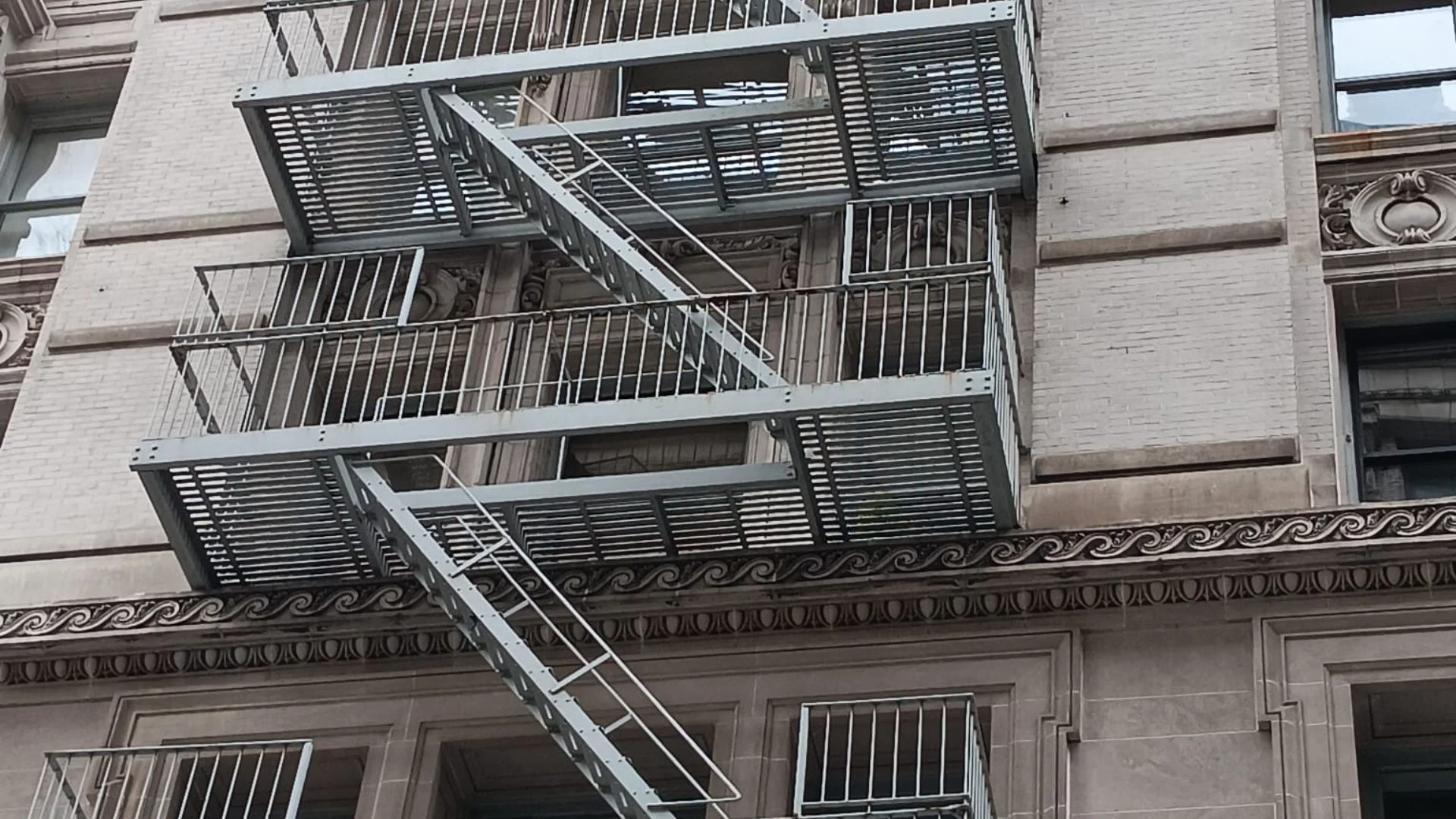
If your municipality flagged the fire escape, our fire escape violation removal service scopes the fix to what the correction order requires and documents the work for your code officer or fire marshal. Our fire escape inspection covers routine checks before a violation happens. Every job runs on fire escape code compliance built around the Property Maintenance Code of New York State and the Multiple Residence Law.
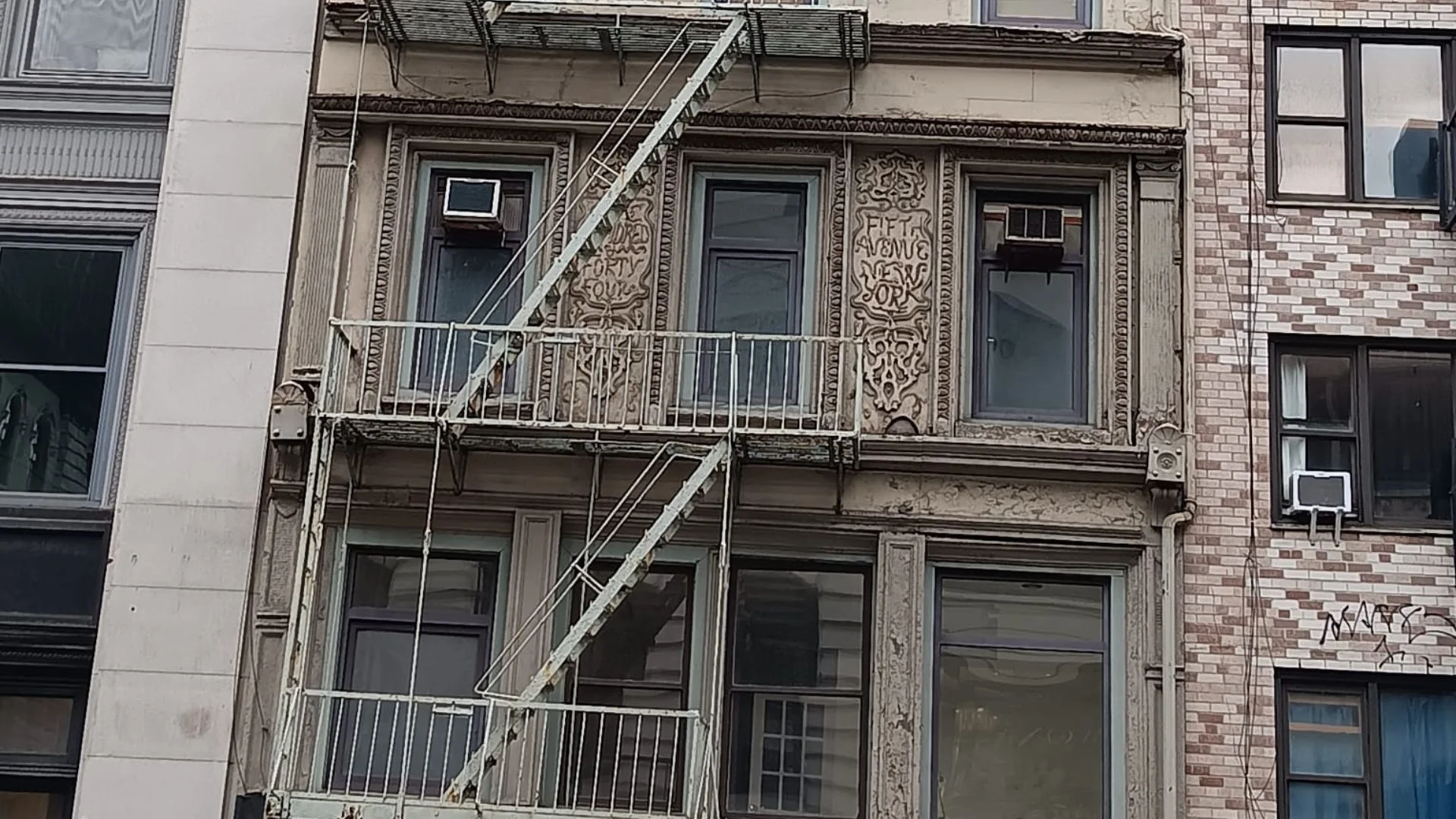
When corrosion eats through a rail, tread, or bracket, our fire escape repair team cuts out the damaged section and welds in new metal matched to the original gauge. Fire escape welding on wrought iron takes a different electrode and heat setting than steel. For buildings that need a structure added or replaced entirely, we also handle fire escape installation.
We work the same six steps on every fire escape, because skipping one is how a repaint turns into a callback in two years:
full structure check before any work starts
wire brushing and sanding down to sound metal, with lead-safe prep on pre-1978 buildings
corroded sections cut out and replaced, matched to the original gauge
rust-inhibitive primer on bare and repaired steel
alkyd or urethane enamel, site protection and containment throughout
confirming the finished structure meets the state standard
Job length depends on building size, number of landings, and rust severity. We’ll give you a real timeline as part of your estimate, not a generic one.
Most of our work comes from co-op and condo boards, property managers, landlords, and commercial building owners. Fire escape maintenance is a common-element cost, so we build our process around what a board or manager actually needs:
Presenting this to your board? Request a Board-Ready Estimate for a written scope and price you can bring straight to a meeting.
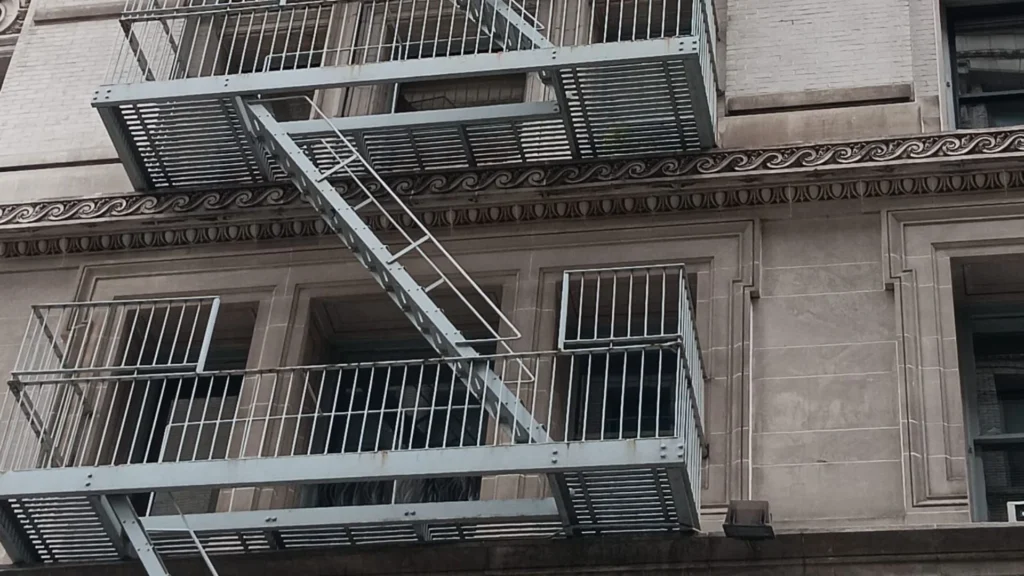
Fire Escape Painting Westchester works throughout the county, with the heaviest concentration of jobs in Yonkers, Mount Vernon, New Rochelle, and White Plains, Westchester’s largest clusters of pre-war walk-ups and multi-family buildings.
We also cover the Rivertowns and the Sound Shore, where salt air from the Hudson River and Long Island Sound speeds up corrosion and shortens the recoat window.
Don’t see your city on the list? Reach out. There’s a good chance we already work there.
A track record only means something if the crew backs it up on-site, every time:
22+ years serving Westchester, with hundreds of completed restoration and painting projects.
Fully licensed and insured, with certificates of insurance available for co-ops, condos, and commercial properties.
OSHA-trained and EPA Lead-Safe certified crews experienced with occupied multi-family buildings.
Documented project experience, including before-and-after photos and customer references.
Every fire escape is different. The cost of painting and repair depends on the building’s height, number of landings, the extent of rust or structural repairs needed, and site access. We’ll assess your property and provide a detailed written estimate based on your specific project.
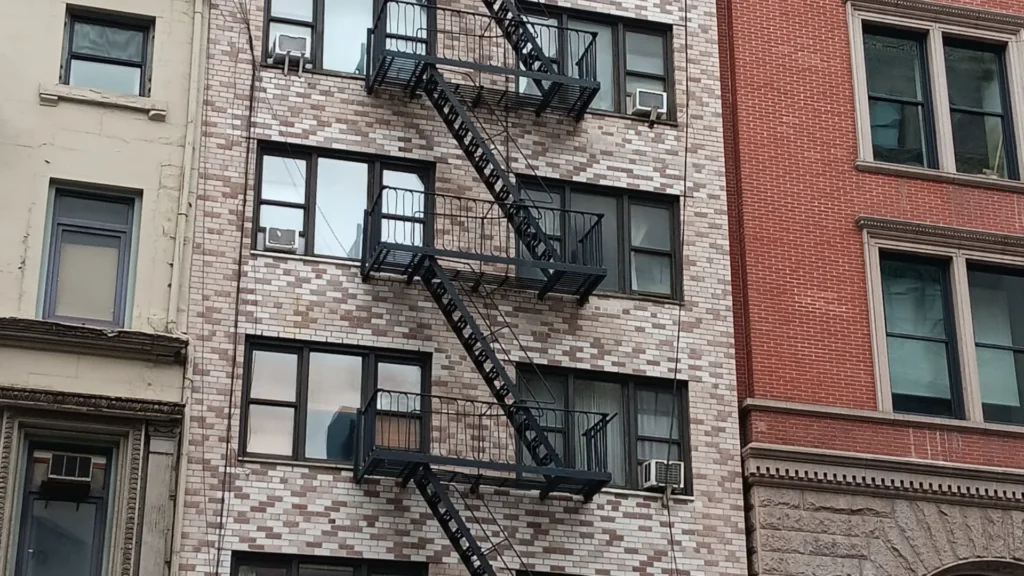
If your fire escape has visible rust, an open violation, or just hasn’t been touched in a few years, Fire Escape Painting Westchester will take a look and give you a clear, no-pressure estimate.
Yes, it's required. New York's Multiple Residence Law and §304.9 of the Property Maintenance Code both hold owners to the same standard: fire escapes stay rust-free and in good repair through regular weather-coating.
Most fire escapes need repainting every five to seven years. Buildings near the Hudson River or Long Island Sound should plan for a shorter cycle, since salt air accelerates corrosion well ahead of that schedule.
Surface rust alone isn't automatically a violation, but a code officer can flag it if it's progressed past normal wear. Left untreated, rust can lead to a correction order requiring repair within a set timeframe.
Whatever the owner or board decides, there's no statewide rule on this one. Most buildings match it to their existing trim, though a few municipalities have their own local preference, so it's worth a quick check with your building department first.
Yes, on any building built before 1978. Federal law requires EPA RRP lead-safe practices during scraping and surface prep, and we follow that on every pre-1978 job without exception.