
Received a violation, correction order, or failed inspection on your fire escape? We correct the cited condition (rust, deterioration, or a structural issue) and document the work so you can move toward sign-off as quickly as possible. We serve co-ops, apartment buildings, and commercial properties across Westchester.
A violation does not always mean replacement. The first step is simple: find out exactly what your local building department or fire marshal cited, then determine what correction work is actually required.
Most violations trace back to one of four things: corrosion, structural deterioration, failed protective coatings, or a blocked means of egress. Most get resolved the same way: proper repairs, clear documentation, and a passed municipal re-inspection.
A violation starts with a document. Usually it’s a notice of violation or a correction order. Your municipality issues it after an inspection turns up a condition the code won’t let sit.
In Westchester, that document comes from your city, town, or village’s building department or fire marshal. It’s issued under the Multiple Residence Law and the New York State Property Maintenance Code. It does not come from a New York City agency. If a contractor’s paperwork or advice references NYC rules, that’s a red flag. They’re working from the wrong playbook for your building.
The notice will name the specific issue: rust past a certain point, a deteriorated tread or bracket, an obstructed exit path. It also gives you a deadline to fix it.
The name on the paperwork varies by town. Yonkers, New Rochelle, Mount Vernon, and White Plains each run their own office and use their own forms. Some call it a notice of violation. Others call it a correction order or an order to remedy.
The label doesn’t matter much. What matters is what it’s asking for. If you’re holding one and aren’t sure what it requires, that’s the first thing we read and explain, before we talk about any repair.
Every violation follows the same basic path.
We start by reviewing your notice to identify exactly what the municipality cited, then inspect the fire escape in person to confirm the damaged area and scope the actual work required.
Rust, corrosion, failed coatings, loose components, and structural deficiencies get addressed based on what was cited. The goal is correcting the underlying issue so it holds up at re-inspection, rather than covering it with a surface patch that won't last.
Once repairs are finished, you get before-and-after photos, a written record of the work performed, and a certificate of insurance, the same packet your board, insurer, or municipality is likely to ask for.
This last step isn't ours to control. After the repairs, your local code office or fire marshal comes back out and makes the call on whether it clears. We can't speed that part up.
That’s the whole process: fix the reported deficiency, document it, and support the re-inspection that closes the violation out. One thing worth saying plainly: nobody can erase a violation from the record. If a contractor tells you otherwise, walk away.
Most notices we see fall into four categories.
If your notice names one of these conditions, that’s exactly what we scope to. We don’t default to a general repaint. If you’re not sure yet what’s driving the notice, book a compliance assessment first. We’ll tell you what’s actually needed before quoting anything.
Your correction order comes with a deadline. It’s set by your specific municipality, on your specific notice. We won’t guess at your number, and we won’t promise one that doesn’t match your paperwork.
Here’s what we can tell you in general: ignoring the deadline tends to make things worse. Exactly how (a fine, a follow-up notice, a hearing) depends on your town’s own enforcement practice. Check your notice for the exact date. If it isn’t clear, your local code office can confirm it.
There’s a second reason timing matters, and it has nothing to do with penalties. A fire escape cited for rust or structural wear is, by definition, a compromised exit until it’s fixed. Doing it right the first time, instead of a quick surface patch, is what keeps the same violation from showing back up at your next inspection.
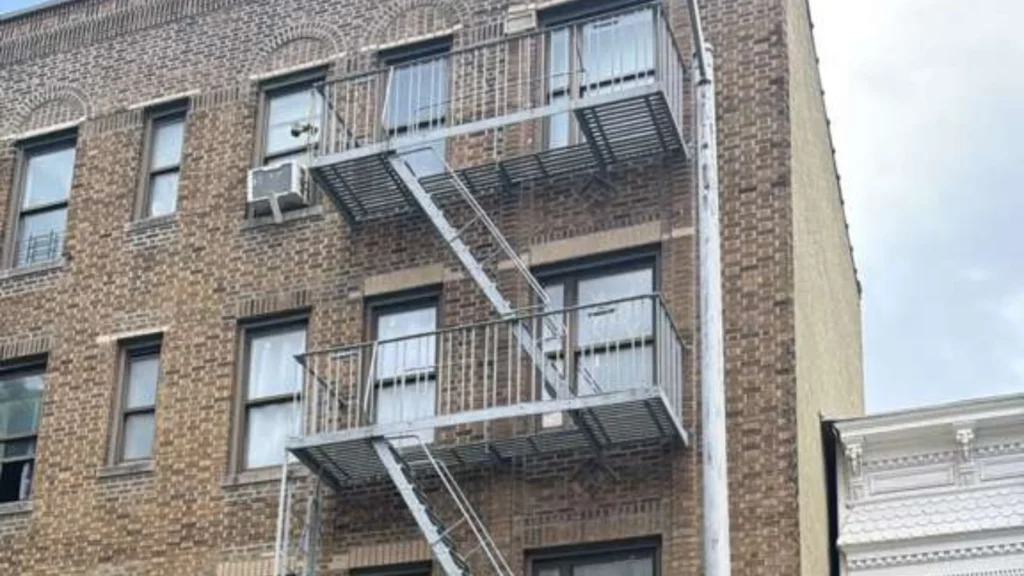
The packet we put together, dated photos, a written repair record, and a certificate of insurance, is the same one you’ll need again later, for your board, your insurer, or a future buyer’s attorney doing due diligence. Keep it on file even after the violation clears. Owners who toss it after re-inspection often end up scrambling to recreate it years later when a sale or a new policy asks for proof of past repairs.
One limit we’re upfront about: we can’t schedule or influence the municipality’s re-inspection timeline. What we can guarantee is that your paperwork won’t be the reason for a delay.
In most co-ops and condos, the fire escape is a common element, which makes it the board’s responsibility rather than any individual shareholder’s. In practice, that means coordinating repair work around residents, keeping the board informed, and building a documentation trail the board can hand to shareholders or an insurer without having to chase it down later.
If you’re managing a portfolio, a single violation rarely stays a single violation. Buildings from the same era tend to develop the same issues. We handle multi-building violations the same way we handle one: one point of contact, one documentation standard, no matter which town’s office is enforcing which notice.
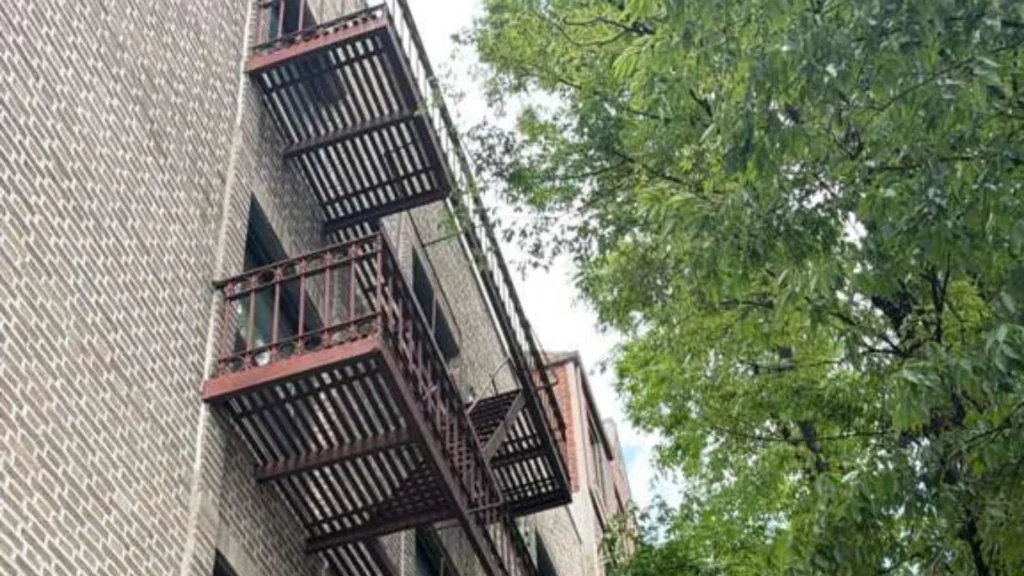
Our experience with Westchester municipalities helps us understand the paperwork, repair documentation, and inspection steps required to move a violation toward closure. For violation correction, the important credential is knowing how local inspections, documentation, and re-inspections actually work.
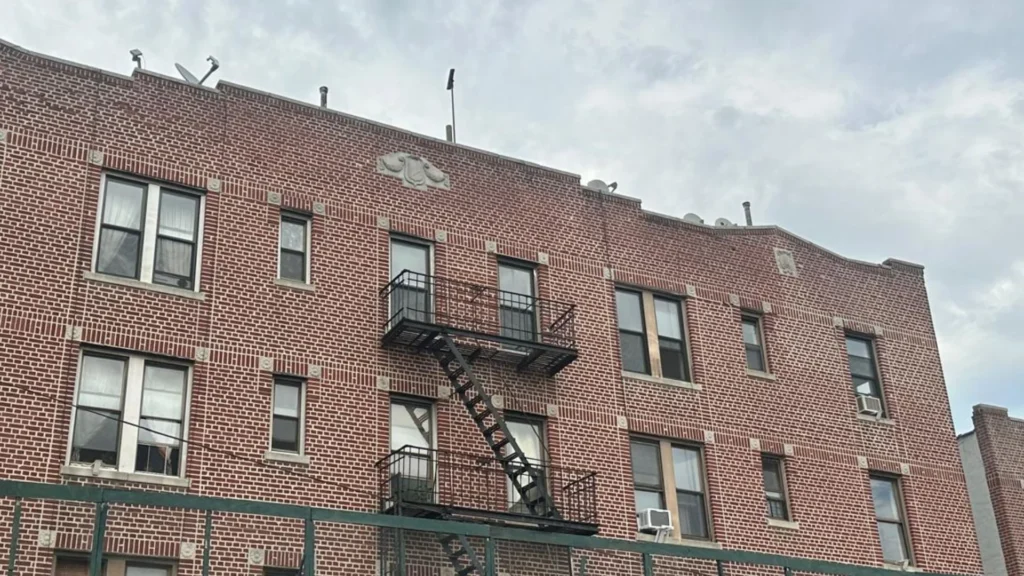
Whether you’ve got a notice in hand or a deadline coming up on a correction order, the fastest way forward is an assessment of exactly what it’s asking for.
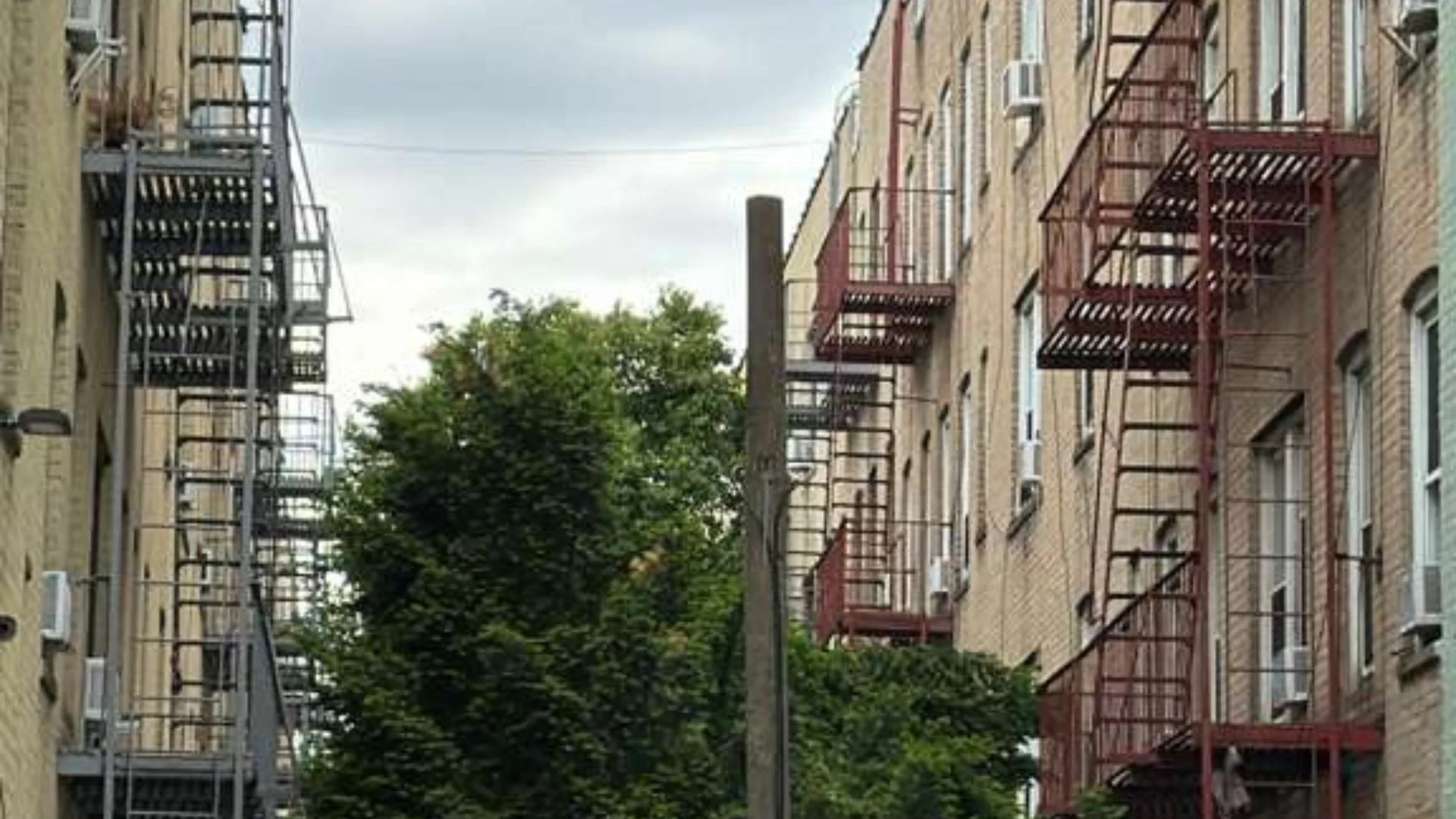
Start by reading exactly what your notice cites. We assess the violation item, correct it, and document the work with dated photos and a written record. Your municipality's code enforcement office or fire marshal handles the actual re-inspection and sign-off.
This comes from your local building department or fire marshal. New York City agencies have no jurisdiction here. Westchester has no single countywide office. Yonkers, New Rochelle, Mount Vernon, White Plains, and every other municipality enforce independently.
Your deadline is set on your specific notice and varies by municipality. Check your document for the exact date, or confirm with your local code office if it isn't clear.
It depends on what's cited. Surface rust and repainting cost far less than structural repair to a bracket or anchor. We give you a firm scope after assessing the actual condition ourselves, rather than quoting over the phone.
Enforcement typically escalates the longer a reported deficiency sits, though exactly how depends on your municipality. Either way, the underlying issue, a compromised exit, doesn't resolve itself by waiting.